Designing an AI-powered CO₂aware logistics decision system
A speculative decision system for optimizing logistics while minimizing CO₂ impact.
Decision Systems · Sustainable Optimization · Applied AI
Context
Logistics systems are highly optimised for cost and time.
Environmental impact is measured, but rarely contextualized.
Weather conditions influence how emissions disperse in the atmosphere, yet this dynamic is not typically integrated into transport decision logic.
This project explores how a decision system could balance operational efficiency and environmental responsibility.
The Design Challenge
How might we design a logistics decision system that:
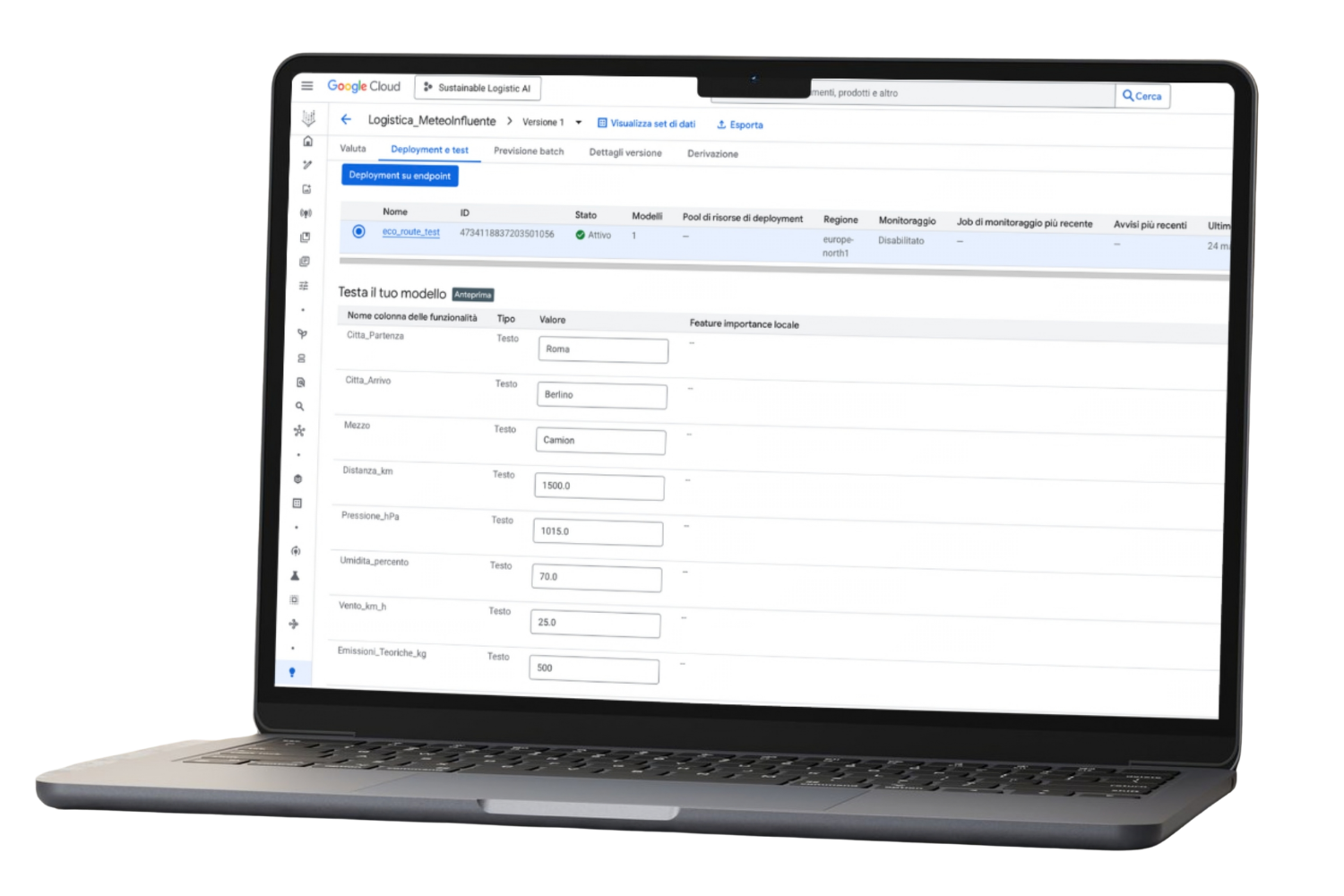
evaluates emissions beyond static numbers
integrates atmospheric conditions
compares operational trade-offs
supports clear decision-making under complexity
without overwhelming the operator?
Decision Architecture
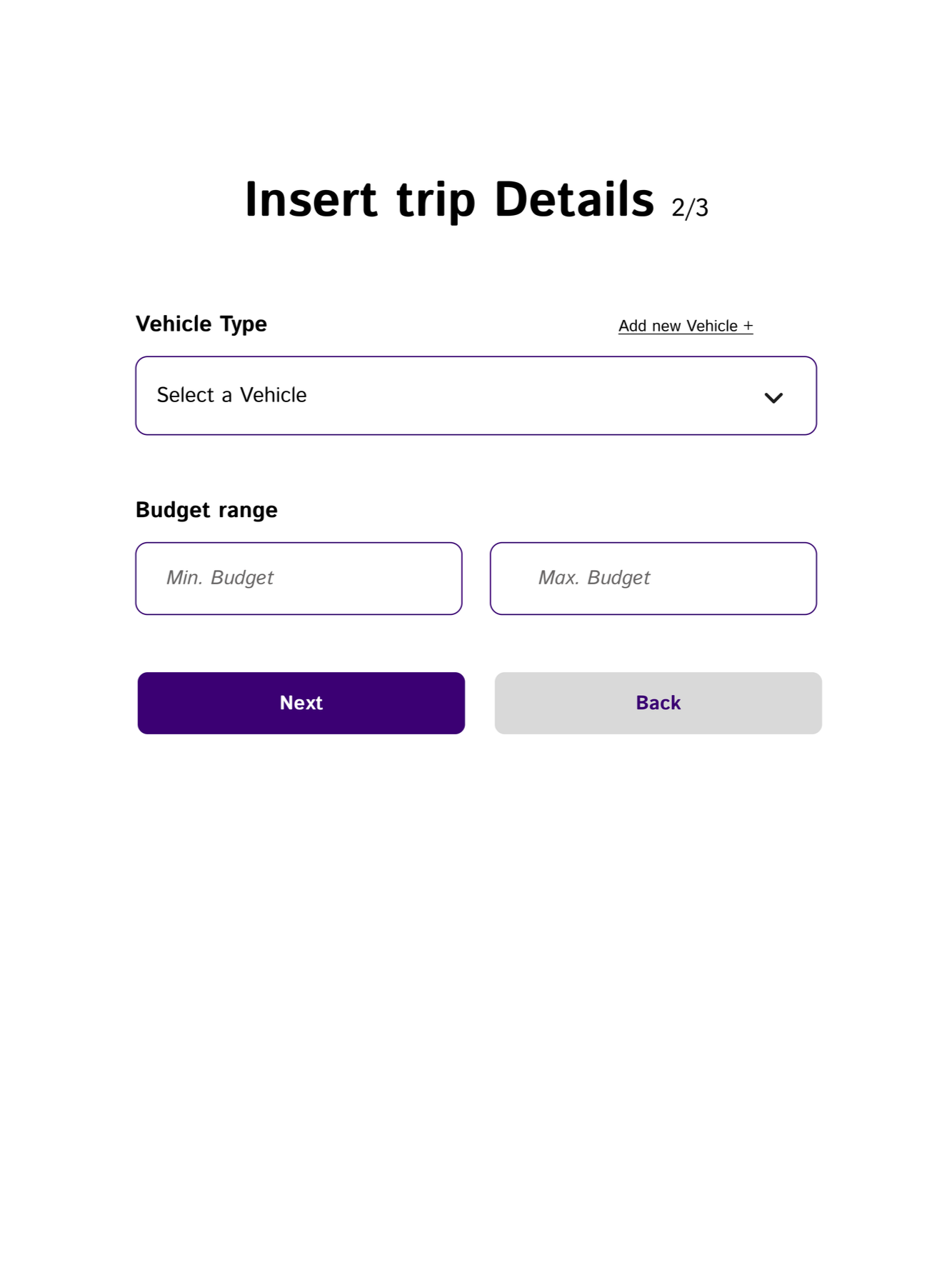
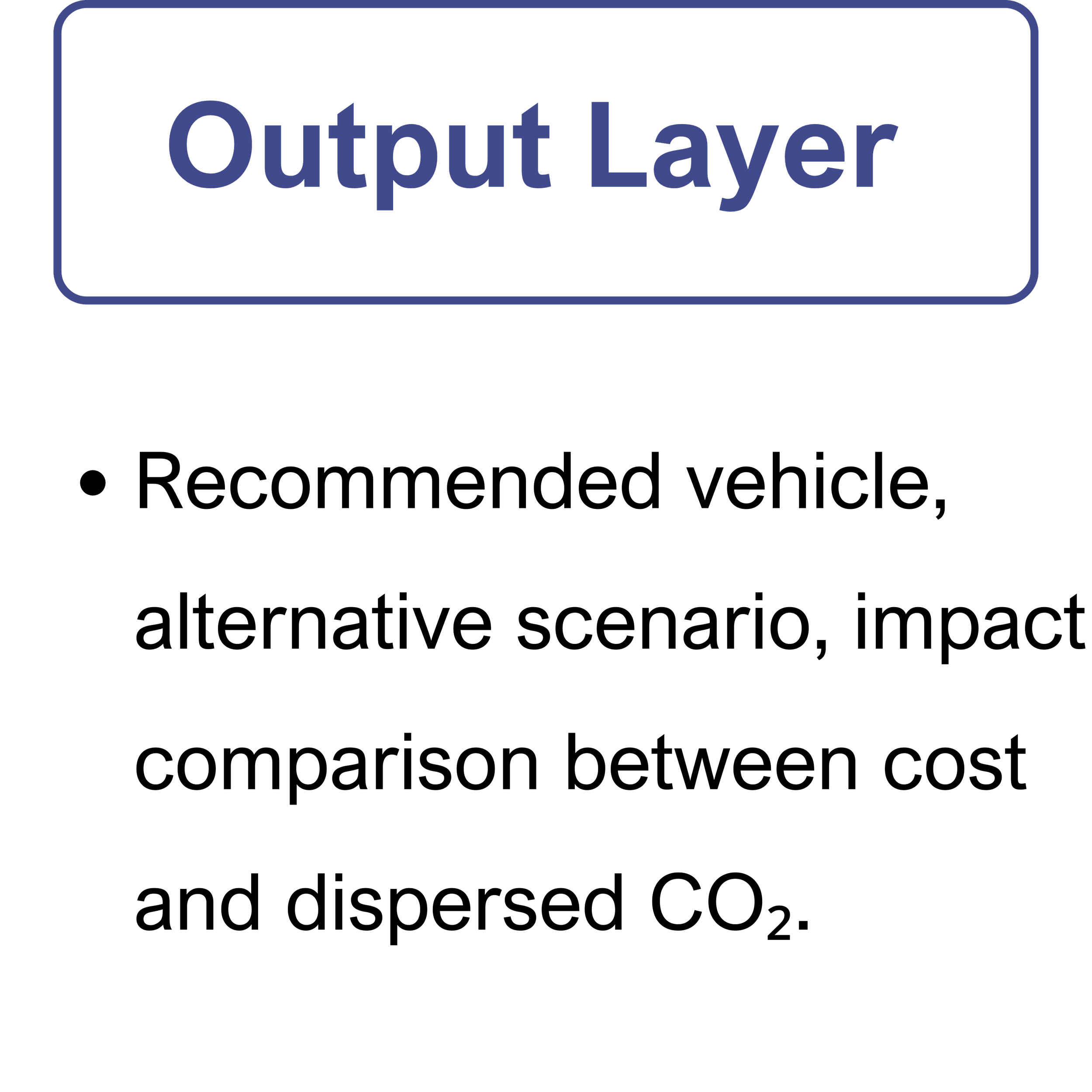
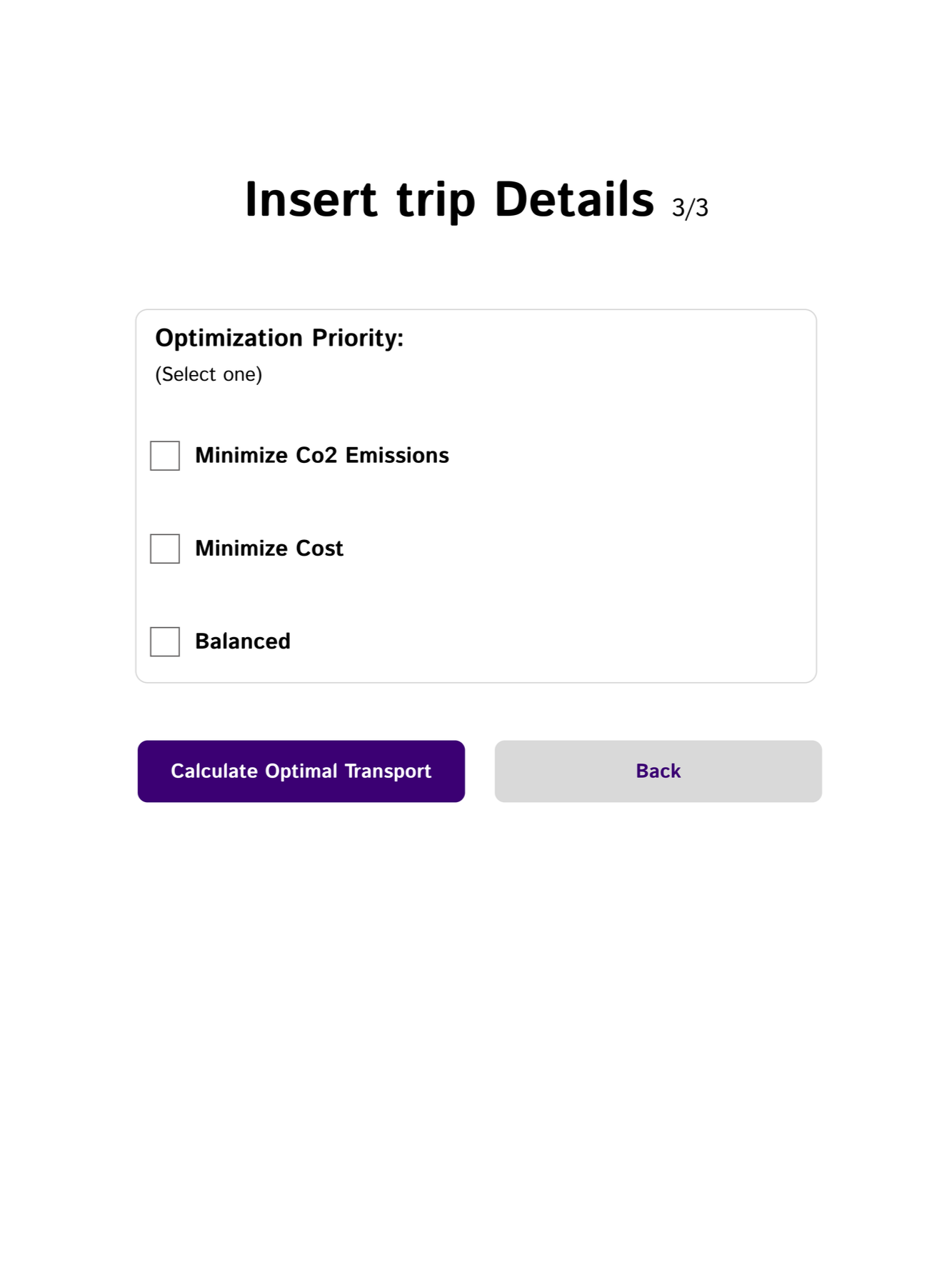
The system operates across three layers.
The objective was not only to calculate emissions, but to make environmental trade-offs visible and actionable.


Technical exploration
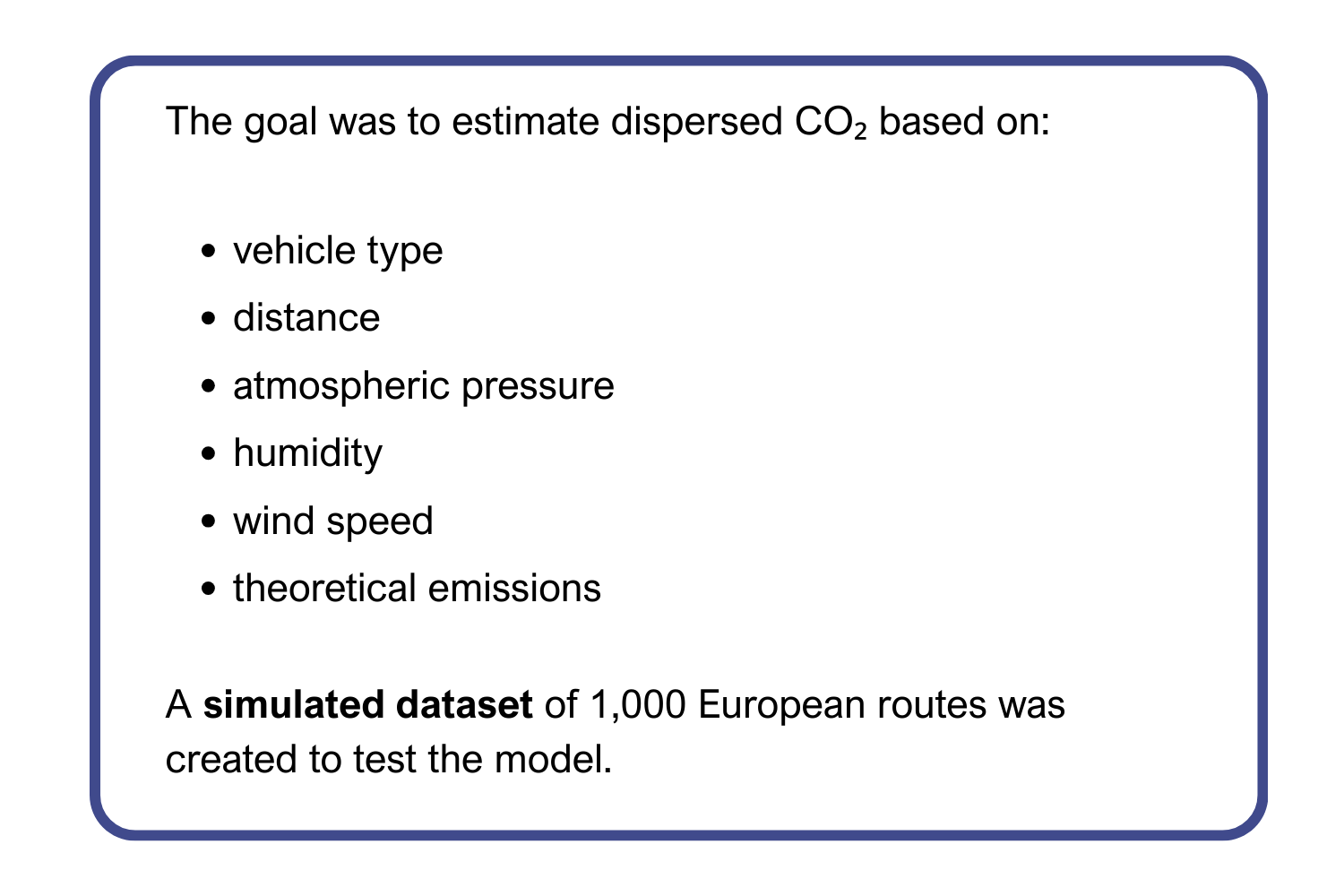
The goal was to develop a no-code predictive model able to estimate how much CO₂ is actually dispersed into the atmosphere during transport, taking into account:
the weather conditions
the characteristics of the transport vehicle
First Iteration
The initial model showed strong statistical performance.

However, feature analysis revealed a structural issue:
The model relied almost entirely on theoretical emissions, while weather variables had minimal influence.
It was accurate, but misaligned with the product’s environmental objective.

Iteration & Realignment
For this reason, I decided to regenerate the dataset and change the formula, so that the influence of weather conditions would be stronger and better aligned with the project’s goal of promoting environmentally conscious logistics.
After retraining, weather variables began contributing meaningfully to predictions.

This process revealed a key principle:

Deploy and Test
At this point, I deployed the model and started
testing it.
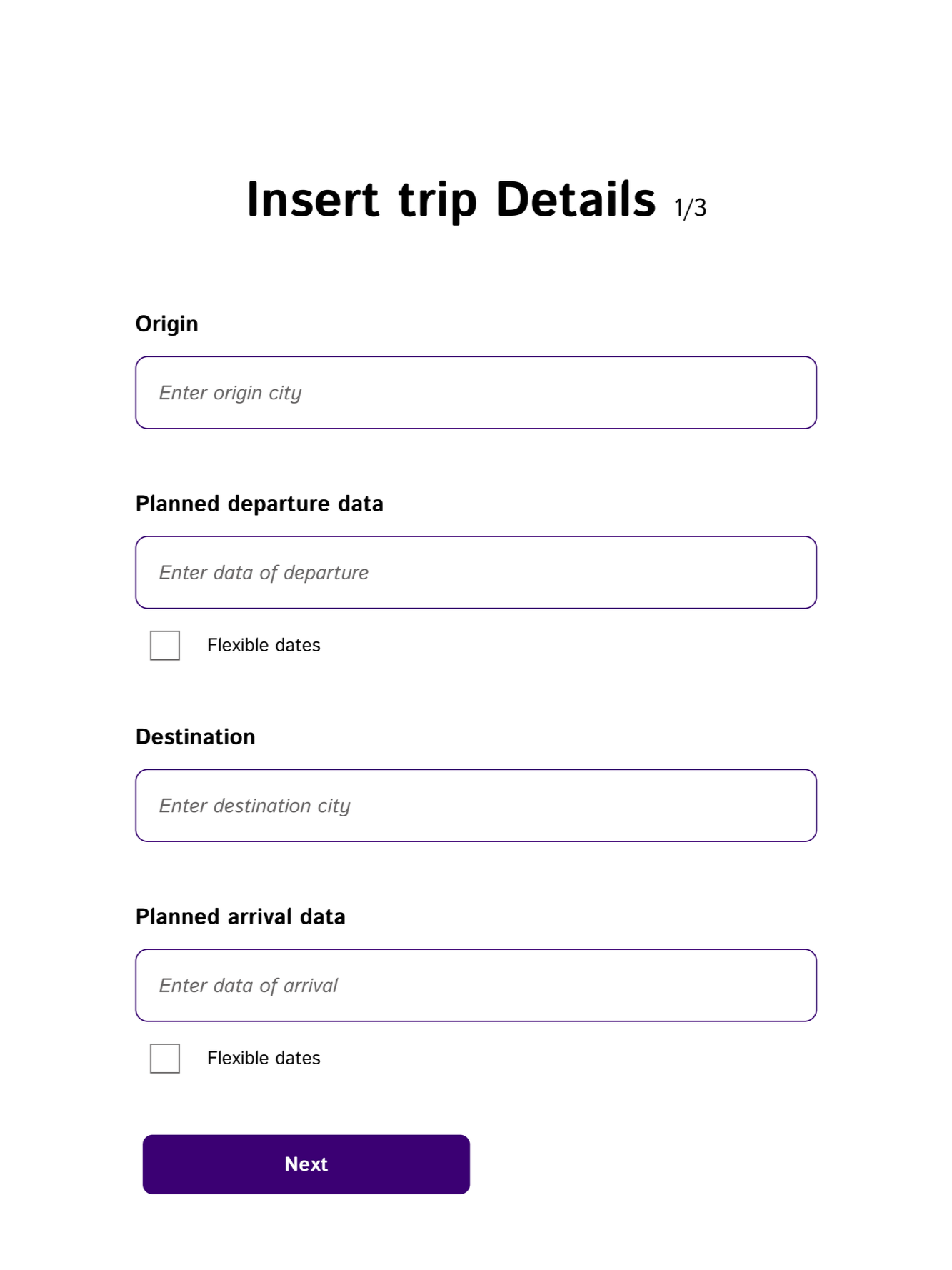
Here is a manual prediction test performed in Google Vertex AI.
Input:
Rome → Berlin | Truck | 1500 km | 1015 hPa | 70% humidity | 25 km/h wind | 500 kg theoretical CO₂ | €420 cost

Output:
Estimated dispersed CO₂: 457.29 kg
Prediction interval (95%): [447.89 – 460.91] kg

Key Learnings